Plants & Fungi
Poisonous and irritating plants can be a problem for small children who are curious and take a nibble. Cats, dogs, and other pets may eat random plants and also be at risk of poisonings.
Many plants are poisonous to both humans and animals. We recommend knowing the names of the plants in your home and yard and removing the most toxic species from play areas.
Callers to poison centers may send pictures of a plant suspected in a poisoning. The poison center staff may be able to identify the more common varieties. In most cases, having a professional identify the plant (at a nursery for example) is preferred. This can help with treatment recommendations.
Most plant poisonings do not require medical care and callers receive all the help they need over the phone.
Some of the more dangerous plants in Georgia include:
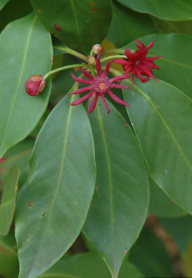
- Florida Anisetree
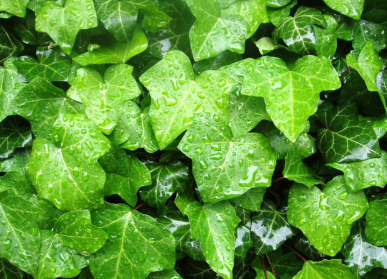
- English Ivy
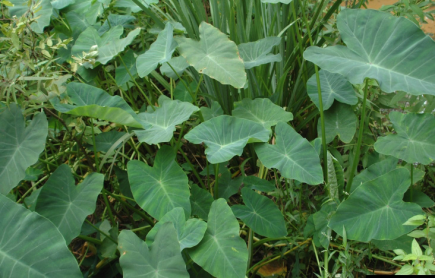
- Elephant Ear
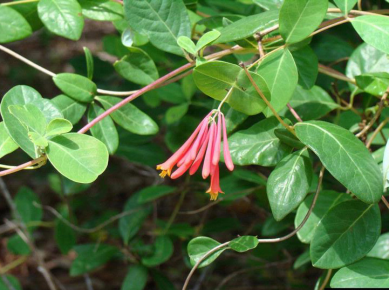
- Trumpet Honeysuckle
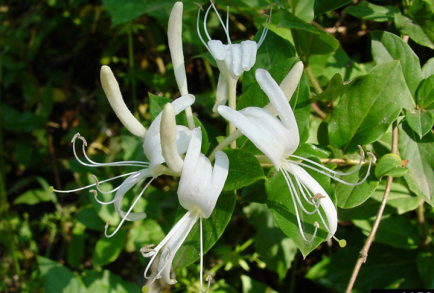
- Japanese Honeysuckle
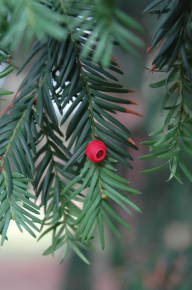
- English Yew
Did you Know?
There are a number of variables that determine how severe the poisoning symptoms may be, such as the age, weight, and health status of a person in relationship to the amount of the plant ingested, the part of the plant ingested, as well as the form of that plant was in at the time of ingestion (i.e., cooked versus raw, ripe fruit versus unripe fruit, etc.).
Tips to prevent plant poisoning:
- Know the names of all the plants in your home and yard.
- Keep house plants, seeds, and bulbs out of the reach of children and pets.
- Do not eat wild plants or mushrooms; cooking poisonous plants does not make them safe to eat.
- Remove mushrooms growing in your yard and throw them away in a covered garbage can.
For more information about plant safety in general, visit our website.
For a deep dive into poisonous plants, visit University of Georgia Extension – Poisonous Plants in the Landscape.
References:
Georgia Poison Center. Poisonous Plants. Retrieved January 17, 2023, from https://www.georgiapoisoncenter.org/poisons/poison-hazards/poisonous-plants/.
Westerfield, Robert R. (2021). Poisonous Plants in the Landscape, University of Georgia Extension. Retrieved January 17, 2023, from https://secure.caes.uga.edu/extension/publications/files/pdf/C%20957_4.PDF.